Diamond-like carbon has quietly become one of the most versatile surface engineering options in modern manufacturing, yet many engineers still know it only by reputation. DLC coatings combine the extreme hardness of diamond with the lubricity of graphite in a single thin film, producing a surface that resists wear and slides with a coefficient of friction a fraction of what conventional PVD coatings deliver. That combination lets components run longer, drier, and more efficiently than the same parts would perform uncoated or coated with older technologies.

At TS-VTI, DLC coating services are backed by the global expertise of the HEF Group and the full Certess Carbon family of DLC chemistries. Whether the requirement is a general-purpose hydrogenated amorphous carbon (a-C:H) film for an automotive powertrain component or a tetrahedral amorphous carbon (ta-C) film for the most extreme tribological duty, our coating engineers select the right chemistry, underlayer, and thickness for your parts. Send us your components, and we return them coated to your specification.
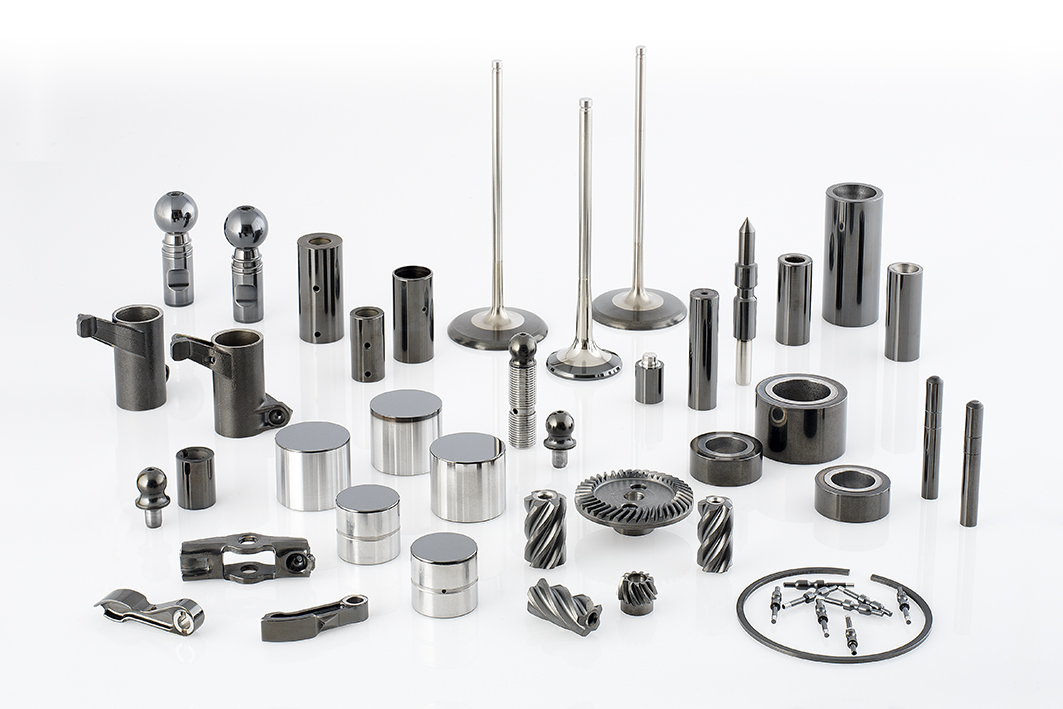
MG_6614_02
DLC is available exclusively as a coating service through TS-VTI. Parts arrive at our facility, get cleaned, fixtured, and processed through the coating cycle, and ship back to you ready for assembly or delivery. There is no equipment to purchase, no infrastructure to build, and no learning curve to climb. You get the surface performance, we handle the process.
Download the brochure
Download

DLC Coating Services Categories

DLC coatings fall into two broad categories based on how they are formulated. Hydrogenated amorphous carbon coatings, written as a-C:H, are the workhorse films for the majority of industrial applications. They deliver hardness in the 2,000 to 3,200 Vickers range with dry friction coefficients around 0.11 to 0.15, and they can be tuned with different underlayers to match specific load and adhesion requirements. Tetrahedral amorphous carbon coatings, or ta-C, are the premium option for the most severe tribological duty, reaching hardness values up to 7,000 Vickers with friction coefficients below 0.1.

Between these two families, the Certess Carbon lineup gives our engineers real flexibility. Certess Carbon DC and DDT deliver a-C:H films for general-purpose wear reduction on automotive, hydraulic, and pump components. Certess Carbon DCX and DCY use chromium and tungsten-carbide underlayers for enhanced load-bearing on high-stress components like piston pins, gears, and reciprocating parts. Certess Carbon TC is the ta-C option for severe wear conditions and precision cutting tool applications. The right coating for your application depends on the contact conditions, counterface material, operating environment, and substrate, and that is where our coating engineers add value on every project.

Because DLC deposits between 150 and 350 degrees C, it works on tempered tool steels, hardened bearing steels, medical-grade stainless, and other temperature-sensitive materials without causing distortion or loss of core hardness. Film thickness typically runs 1 to 5 microns, thin enough to preserve precision tolerances but thick enough to deliver real wear resistance across the service life of the part.

have a question?

ask our expert

Get answers on DLC selection, coating thickness, and application fit from a TS-VTI coatings engineer.

"*" indicates required fields

This field is for validation purposes and should be left unchanged.
Fields with * are required
This field is hidden when viewing the form

Common Applications for DLC Coating Services

DLC coating services support components across a wide range of industries that TS-VTI serves. From high-cycle automotive powertrain parts to precision medical instruments, DLC extends service life, reduces friction losses, and lets designers push their components harder without redesigning around new failure modes.
• Automotive Powertrain Components
• Piston Pins, Rocker Arms, and Valve Tappets
• Hydraulic and Pneumatic Valves, Stems, and Seals
• Compressor Vanes, Impellers, and Swash Plates
• Industrial Gears, Bearings, and Mechanical Seals
• Surgical Instruments and Dental Tools
• Bone Screws and Prosthetic Bearing Surfaces
• Precision Cutting Tools and Inserts
• Plastic Injection Molding Dies
• Aerospace and Defense Precision Assemblies
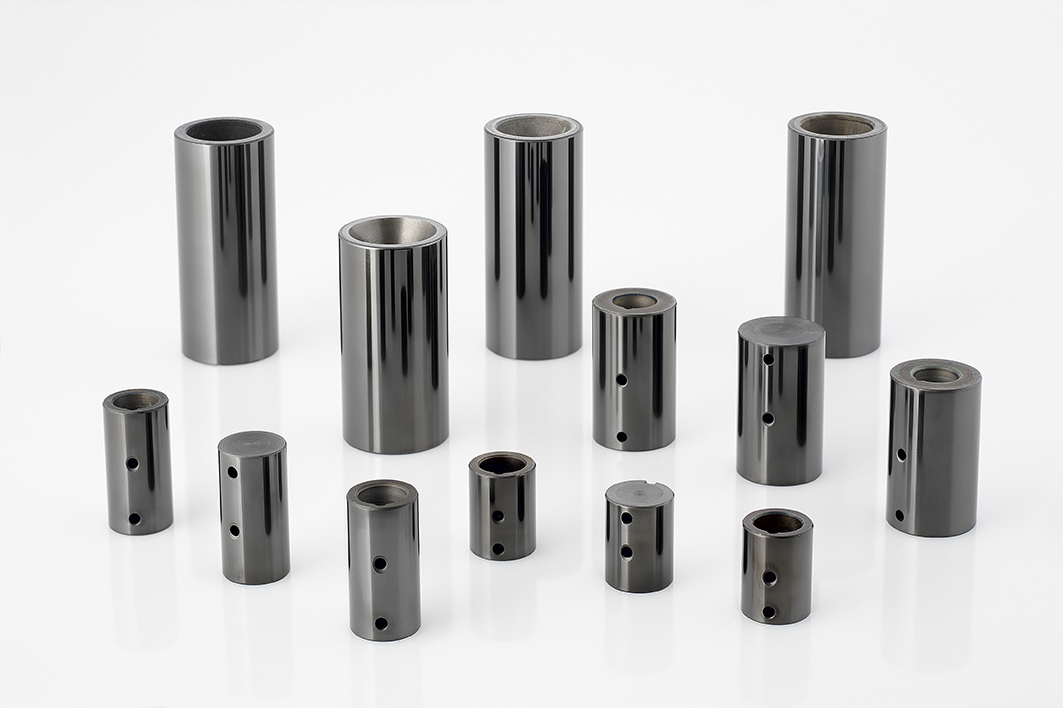
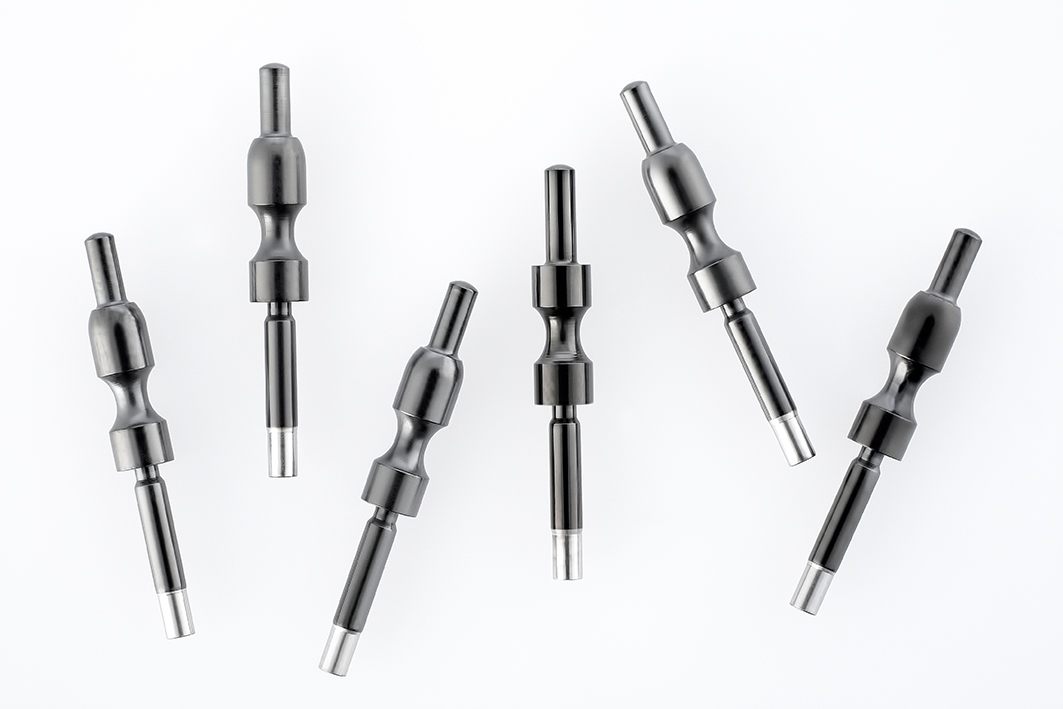
_MG_6682
_MG_6659

Our Inspection Process

Every DLC batch that leaves TS-VTI moves through the same quality system that supports our aerospace, defense, and medical customers. We inspect parts at arrival, maintain process control throughout the coating cycle, and perform a final inspection before shipping. Coating adhesion, thickness, and appearance are verified against customer specifications on every job, and witness coupons can be included in every batch and retained for as long as your quality system requires.

TS-VTI operates under ISO 9001:2015, holds ITAR registration, complies with RoHS and AMS 2424A, and maintains a Federal Firearm License. Combined with the process control of the HEF Group across its worldwide operations, DLC coating services from TS-VTI deliver the documentation, repeatability, and traceability that regulated industries require. Quality is not a checkbox at the end of the process. It is built into every step, from part receiving through final shipment.

FAQ

What is the difference between a-C:H and ta-C coatings?

Hydrogenated amorphous carbon (a-C:H) contains bonded hydrogen atoms and is deposited from hydrocarbon gases using plasma-assisted CVD. It delivers hardness in the 2,000 to 3,200 Vickers range with a friction coefficient around 0.11 to 0.15 dry. Tetrahedral amorphous carbon (ta-C) contains little or no hydrogen and is deposited from solid carbon sources. It reaches hardness values up to 7,000 Vickers with friction coefficients below 0.1. Ta-C is the choice for the most severe tribological duty, while a-C:H is the workhorse for most industrial applications.

Will DLC change the dimensions of my precision parts?

DLC coatings are typically applied at 1 to 5 microns thick, well within the tolerance band of most precision components. Combined with deposition temperatures as low as 150 degrees C, DLC does not cause the distortion or core hardness loss associated with higher-temperature processes. For most applications, no design changes are needed to accommodate the coating.

What substrates can be coated with DLC?

DLC bonds well to a wide range of substrates including tool steels, hardened bearing steels, stainless steels, medical alloys, tungsten carbide, and titanium. Aluminum and copper alloys require case-by-case evaluation because of adhesion and thermal considerations. Plastics generally are not candidates for DLC because the deposition temperature exceeds their thermal limits.

How long does DLC coating service take?

Typical turnaround is two to three weeks from part receipt to shipment, depending on batch size, chemistry, and current production schedule. Expedited service can be arranged for time-critical projects. Contact us to discuss your specific timeline.

What are your minimum and maximum order sizes?

TS-VTI is structured for higher-volume production work rather than one-off pieces. Annual production value should be in the $10,000 range and above. We have no maximum order size and regularly handle large-volume programs for automotive tier suppliers, medical device manufacturers, and industrial OEMs.

Can DLC be stripped and reapplied?

Yes. DLC can be stripped from most substrates using controlled chemical or plasma processes and reapplied. This is a common approach for high-value tooling and precision components that see periodic recoating as part of a maintenance cycle.

Is DLC biocompatible?

DLC is widely used on medical devices and implants because of its chemical inertness, smooth surface, and stable interaction with body fluids. Specific biocompatibility qualification depends on the application and applicable regulatory standard. Our team can discuss specific requirements for your medical program.
Send your part specifications and volumes for a fast, detailed DLC coating quote.
Request a Quote
arrow-rightlinkedin-square